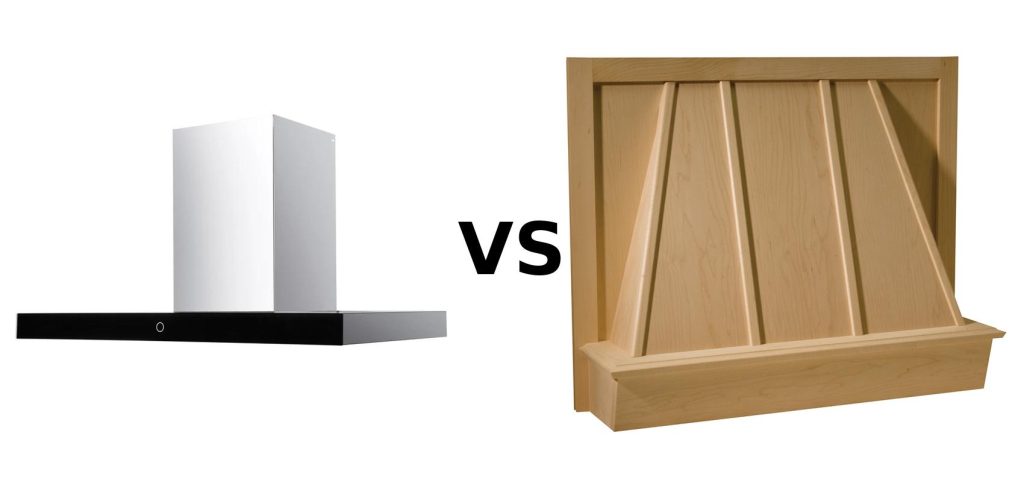

Choosing between a stainless steel range hood and a wood range hood comes down to one question: Do you want the hood to be more utilitarian or design-centric?
The main differences between stainless steel and wood range hoods is how they look, how much maintenance they need, how well they handle heavy cooking, and how easily they fit into your kitchen design.
Stainless steel range hoods stand out for durability, easy cleaning, moisture and heat resistance, and a sleek modern look that works well in busy kitchens. Wood range hoods stand out for warmth, customization, and the ability to match cabinetry for a built-in, high-end look that feels more tailored to the room.
For homeowners, the choice usually comes down to this: stainless steel offers a practical, low-maintenance solution, while wood offers a more decorative, custom appearance.
Quick Skim: Stainless Steel vs Wood Range Hoods
| Factor | Stainless Steel Range Hood | Wood Range Hood |
|---|---|---|
| Best For | Frequent cooking, low maintenance, modern kitchens | Design-focused kitchens, custom cabinetry, warm aesthetics |
| Style | Modern, industrial, minimalist, transitional | Farmhouse, traditional, rustic, transitional |
| Cleaning | Easy to wipe down, low upkeep | Requires more care, finish protection needed |
| Durability | Highly resistant to heat, moisture, and corrosion | Depends on finish and liner, less resistant to grease and moisture |
| Customization | Limited design flexibility | Highly customizable to match cabinets and trim |
| Budget | More budget-friendly, wide range of options | Often higher cost, especially for custom builds |
What Stainless Steel Range Hoods Do Best
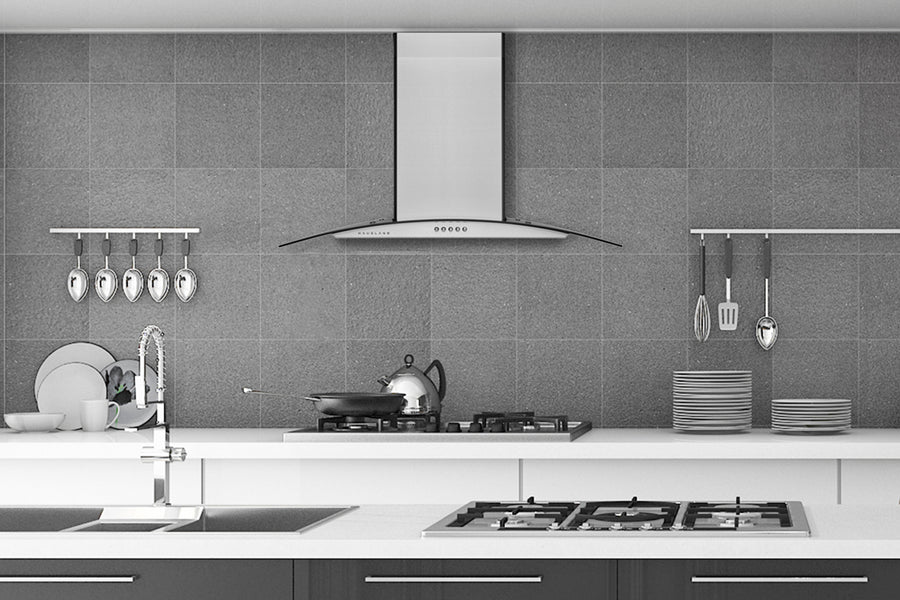
Stainless steel range hoods are built for function first. They handle heat, steam, grease, and everyday cooking mess well. That makes them a smart choice for homeowners who cook often, use high heat, or simply want the easiest option to maintain. Stainless steel is often seen as the more durable and lower-maintenance choice, with a typical lifespan often cited around 15 to 20 years.
Another big strength is cleanup. Stainless steel surfaces are easy to wipe down and many models use removable stainless baffle filters designed for regular cleaning. The tradeoff is that fingerprints and smudges can show more easily, especially on polished finishes.
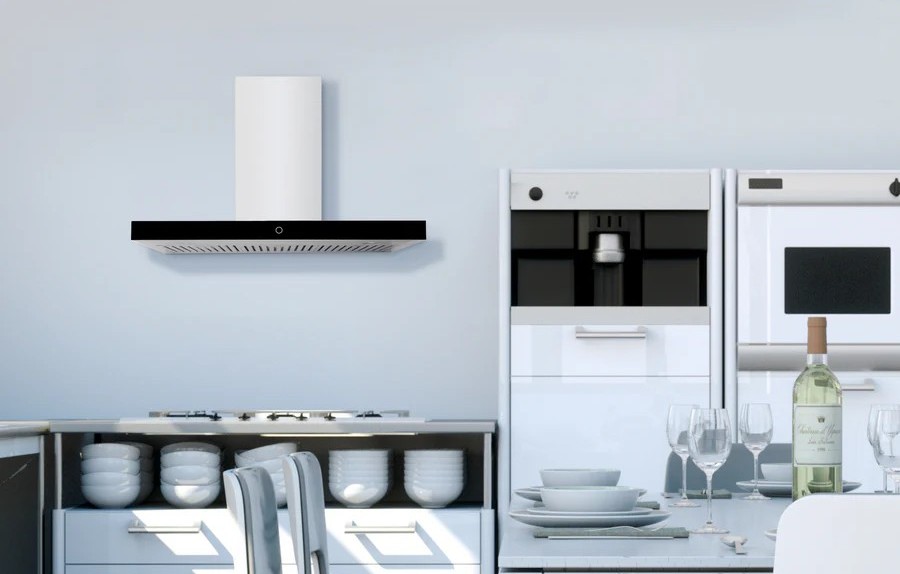
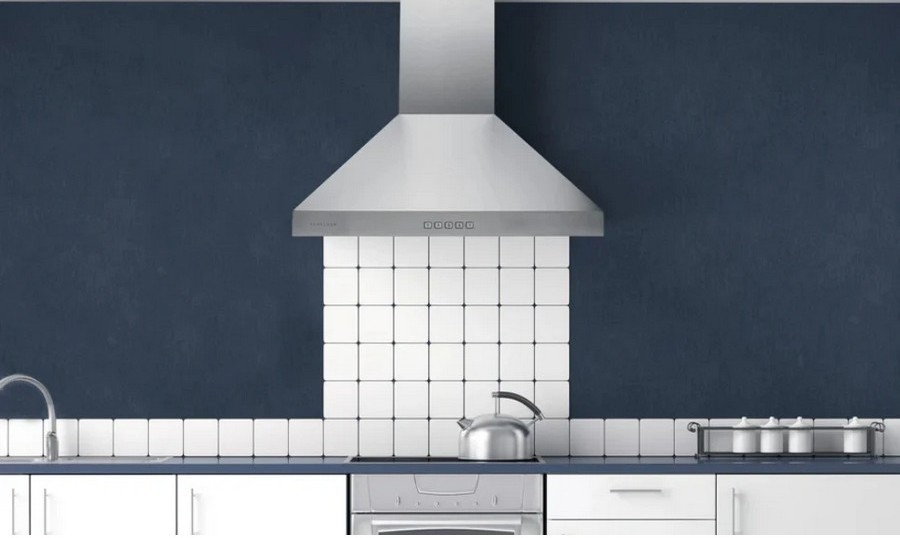
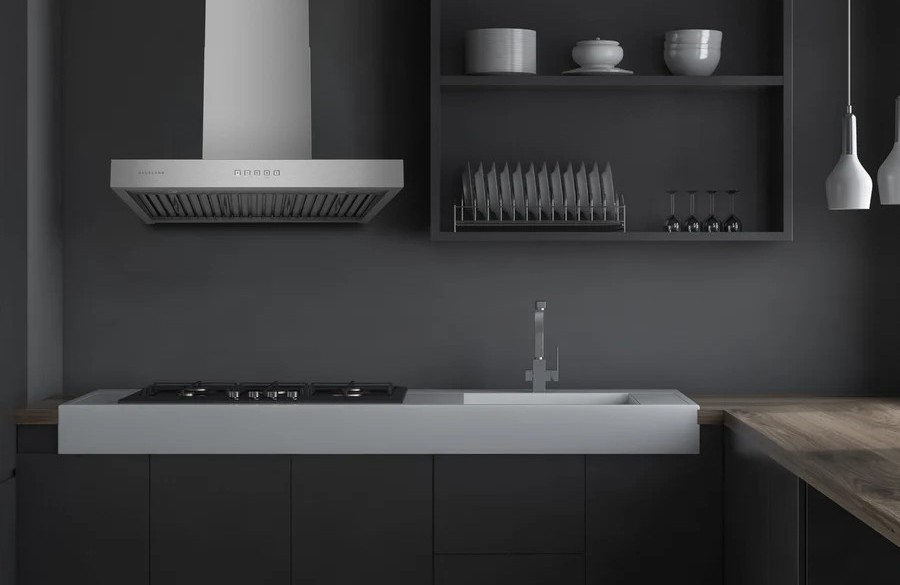
From a design standpoint, stainless steel works well in modern, industrial, contemporary, or transitional kitchens. It also pairs naturally with stainless appliances, which helps create a clean, cohesive look around the range.
What Wood Range Hoods Do Best
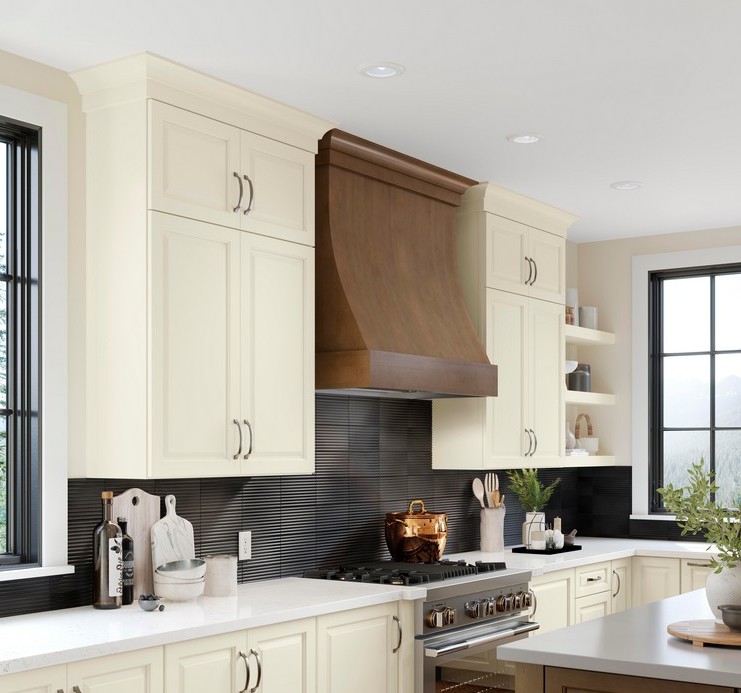
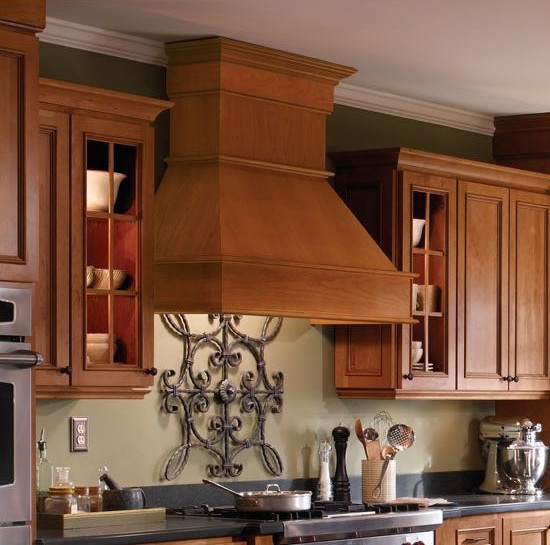
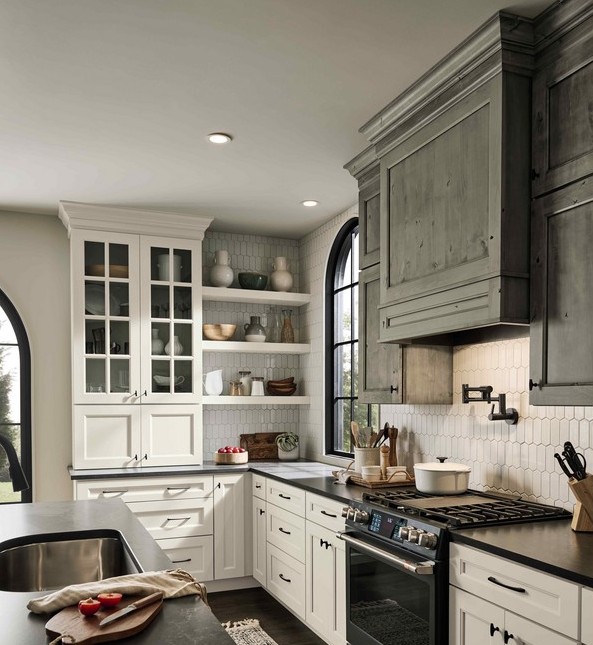
Wood range hoods are about warmth, detail, and integration. They can make the hood feel less like an appliance and more like part of the kitchen itself. That is a big reason homeowners choose them in farmhouse, traditional, rustic, and transitional kitchens. When stained or painted to match nearby cabinetry, a wood hood can create a seamless built-in look that stainless steel usually cannot match.
Wood also offers more customization. It is easier to shape, trim, paint, stain, and detail than stainless steel. This gives homeowners more freedom when they want a focal point or a furniture-style hood design. This is especially appealing in remodels where the goal is to soften the kitchen and avoid an overly commercial look.
That said, most wood range hoods are really decorative covers built around metal ventilation parts. Manufacturers of inserts and liners market these components specifically for custom wood hoods. Custom hood liner pages from brands like Hoodsly and Omega National show that the ventilation system is mounted inside a custom exterior shell.
The Biggest Difference: Maintenance
For most homeowners, maintenance is where this decision becomes clear.
Stainless steel is easier to live with. You can wipe it down quickly, keep the filters clean, and move on. If your kitchen sees a lot of frying, searing, or frequent weeknight cooking, stainless steel usually makes the most practical sense.
Wood needs more attention. The finish matters. The seal matters. Grease, moisture, and cooking residue are tougher on wood than metal. Wood can also absorb odors or require refinishing over time if not properly protected.
For homeowners who love the look of wood but do a lot of high-heat cooking, this is the main tradeoff to weigh. You can absolutely choose wood but you should know it is more of a design commitment.
The Biggest Difference: Style
If you want a clean, sleek kitchen, stainless steel usually fits better.
It looks crisp, purposeful, and appliance-forward. That can be the right move if you want the hood to stand out as a feature or tie in with a professional-style range.
If you want the hood to disappear into the room or feel more custom, wood usually wins.
A wood hood can match cabinet color, trim, proportions, and architectural style. Instead of looking like a separate appliance, it can look like part of the cabinetry package. That makes it especially appealing for homeowners who care as much about visual flow as ventilation.
Safety and Construction: What Homeowners Need to Know
This part matters: a wood range hood should not be treated like a bare wood box over a cooktop.
Wood range hoods usually require metal liners or insert systems for wood hood installations. Ventilation brands and liner manufacturers present these products as the standard solution for custom wood hood canopies, with metal canopies, fascia assemblies, and insert units mounted inside the decorative outer shell.
So when homeowners say they want a wood range hood, what they usually mean is a wood exterior with a metal liner and ventilation insert inside. That setup gives you the custom look of wood with the performance and protection of metal where it counts.
Which Option Costs More?
In general, stainless steel is often the more budget-friendly route, while custom wood hoods tend to cost more, especially when you factor in custom millwork, finishing, and the liner or insert inside. High-quality wood hoods can cost 20 to 40 percent more upfront than comparable stainless models. They may also carry a higher total cost over time due to maintenance and refinishing.
That does not mean wood is a bad value. It just means you are paying more for customization and design impact, not just ventilation.
Stainless Steel vs Wood Range Hoods by Homeowner Type
Choose Stainless Steel:
You cook often, use high heat, want easier cleanup, or prefer a modern or professional look. Stainless is also the safer bet if you want a durable, appliance-driven finish that does not ask for much upkeep.
Choose Wood:
You want the hood to match your cabinetry, soften the look of the kitchen, or create a custom focal point. Wood makes the most sense when style and built-in character matter as much as raw practicality. Just make sure the hood uses the right metal liner or insert system.
Final Verdict: Stainless Steel or Wood Range Hood
There is no universal winner here. The better choice depends on how you use your kitchen and how you want it to feel.
Choose stainless steel if you want durability, easy maintenance, and a clean, modern finish that stands up well to heavy cooking.
Choose wood if you want warmth, customization, and a hood that looks like it was designed with the rest of your cabinetry from day one.
If performance and low maintenance come first, go stainless. If design and a built-in look come first, go wood with a proper metal liner and insert.