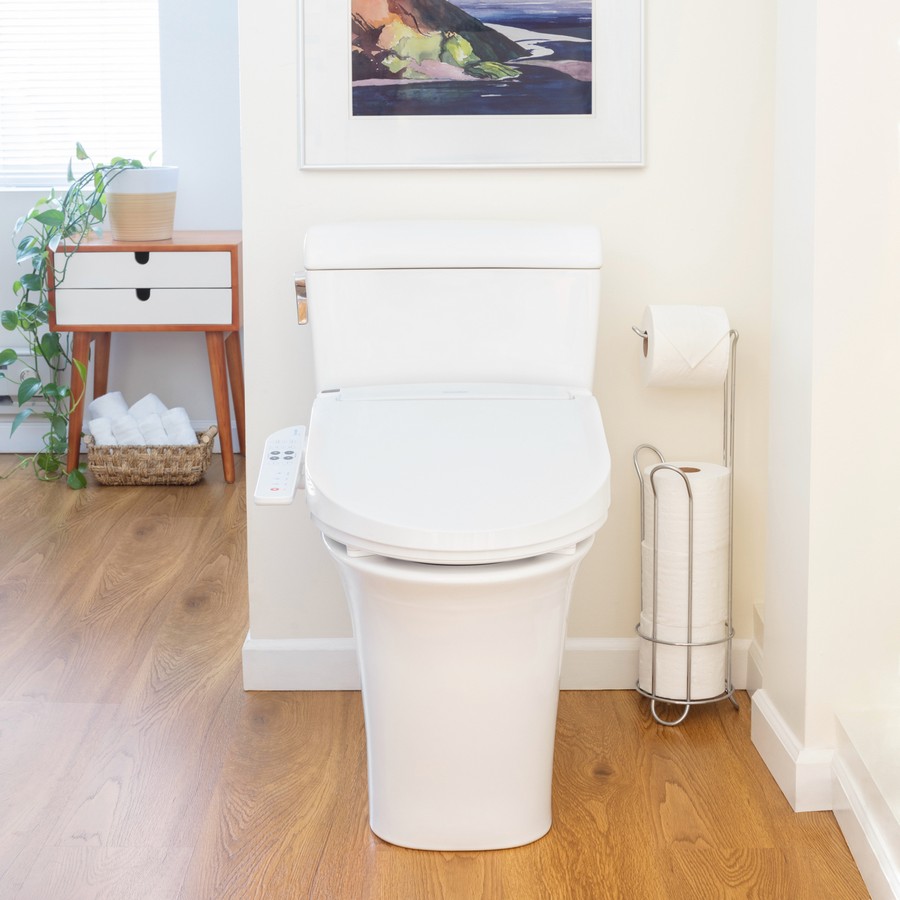

Installing a bidet toilet seat is a manageable DIY project for most homeowners. In most cases you 1) remove the old toilet seat, 2) shut off the water, 3) install the included T-valve under the toilet tank, 4) secure the mounting plate, 5) connect the bidet hose, 6) slide the seat into place, and 7) turn the water back on slowly to check for leaks.
Brondell’s installation guide also says to check for top-mount toilets, concealed fill valves, rigid supply lines, and a grounded GFCI outlet before you begin.
Quick Skim: How to Install a Bidet Toilet Seat
| What to Do | Why It Matters |
|---|---|
| Remove the existing toilet seat | Clears the mounting holes so you can install the Brondell Swash mounting plate. |
| Shut off the water and empty the tank | Helps prevent spills before you disconnect the water supply line. |
| Install the T-valve | Creates the water connection for the bidet seat using the toilet’s cold-water supply. |
| Install the mounting plate | Secures the seat base and lets you adjust alignment before final tightening. |
| Connect the bidet hose to the seat | Preps the seat for water flow and helps avoid hose strain during install. |
| Slide the seat onto the mounting plate | Locks the seat into position and lets you confirm fit on the bowl. |
| Connect the hose to the T-valve | Completes the water supply connection between the toilet and bidet seat. |
| Turn the water back on slowly | Lets you check for leaks before using the seat. |
| Plug in the seat and test it | Powers electric models and confirms the bidet is working correctly. |
Before You Start
The install itself is usually simple. The common slowdowns come from toilet design, plumbing layout, or outlet access.
Check whether your toilet has top-side-only bolt access, a concealed fill valve, or a rigid water supply line before installation. For electric Swash models, Brondell also calls for a grounded GFCI outlet.
What You’ll Need
Brondell lists a Phillips head or standard screwdriver for seat removal and a standard wrench for tight water connections. The guide also notes that Teflon tape can help create a water-tight seal at plumbing connections.
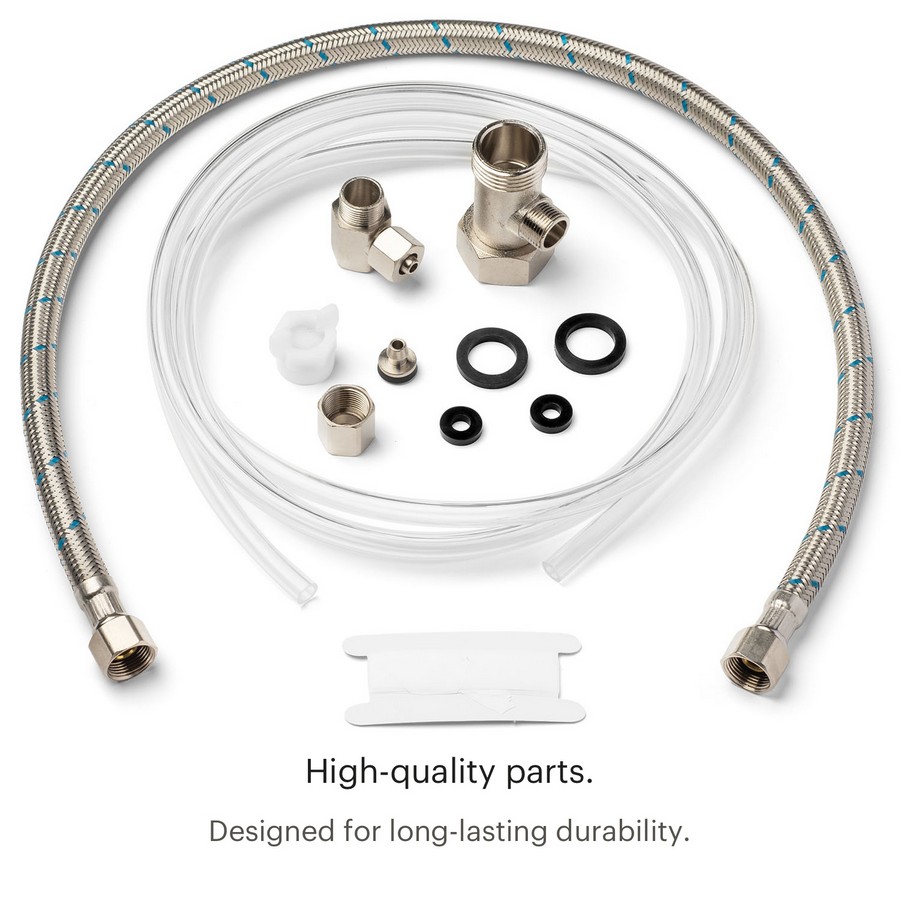
The installation kit shown in the Brondell guide includes the mounting plate, adjustable brackets, mounting bolts, washers, barrel nuts, T-valve connector, bidet hose, and cable clips.
Step 1: Remove the Existing Toilet Seat
Lift the hinge covers on the old toilet seat and remove the mounting bolts with a screwdriver. Then lift the seat off the bowl.
This gives you clear access to the mounting holes and lets you clean the surface before installing the new seat.
Step 2: Shut Off the Water and Empty the Tank
Turn off the water supply valve. Flush the toilet and hold the handle down to empty the tank as much as possible. Then disconnect the water supply hose from the toilet tank.
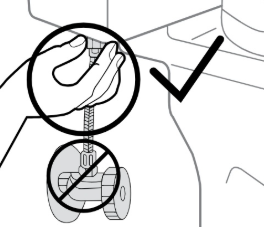
Brondell specifically says not to disconnect from the shutoff valve at the wall. A towel or small container under the tank can help catch leftover water.
Step 3: Install the T-Valve
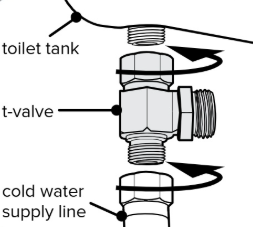
Insert the rubber washer into the T-valve as shown in Brondell’s guide, with the raised lip facing the toilet tank connection. Then attach the T-valve to the incoming water connection on the bottom of the toilet tank.
Reconnect the toilet water supply line from the wall to the bottom of the T-valve. Brondell notes that the T-valve connects directly under the tank, not at the wall, and only to the cold water toilet supply line.
Step 4: Install the Mounting Plate
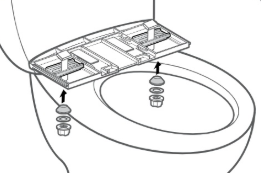
Place the mounting plate over the toilet’s mounting holes with the rubber side down and the curved edge facing the tank. Insert the adjustable brackets and mounting bolts, then secure them underneath the bowl with the rubber cone washers, flat washers, and barrel nuts.
Leave a little room for adjustment until you confirm the seat position.
Step 5: Connect the Bidet Hose to the Seat
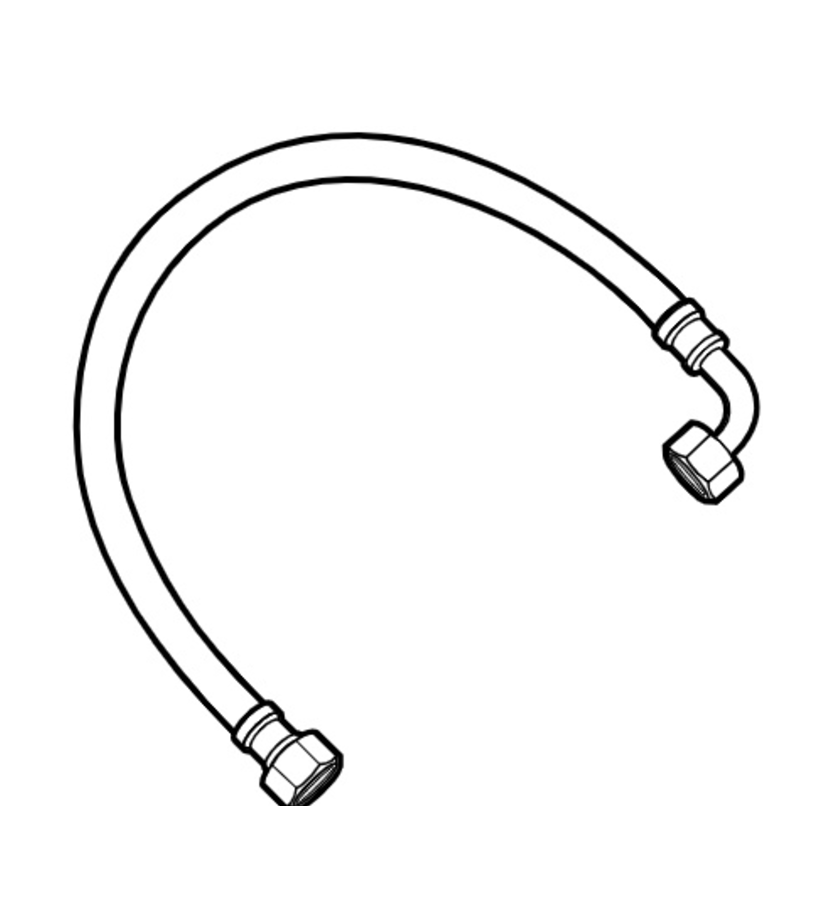
Connect the bidet hose to the water inlet on the seat and hand-tighten it. Brondell warns against twisting the hose, bending it too sharply, or stripping the plastic threads during installation.
This is one of the easiest places to avoid problems by slowing down and keeping the hose straight.
Step 6: Slide the Seat Onto the Mounting Plate
Set the Swash flat on the bowl in front of the mounting plate, then slide it onto the plate until it clicks into place.
If the seat looks too short or too long for the bowl, loosen the barrel nuts, adjust the plate, and re-center the seat before tightening everything down.
Step 7: Connect the Hose to the T-Valve
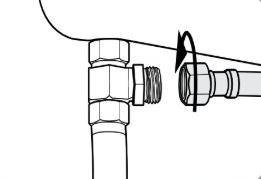
Connect the open end of the bidet hose to the T-valve. Hand-tighten first and make sure the hose is not kinked or under tension.
The Brondell installation video and printed installation guide follow the same general sequence of water connection, mounting, and final seat attachment.
Step 8: Turn the Water Back On Slowly
Open the main water supply valve slowly and check every connection for leaks. Brondell says to wait about five minutes and check again before moving on.
If you see any dripping, shut the water back off and retighten the connection carefully.
Step 9: Plug In the Seat and Test It
If your Brondell Swash model is electric, plug it into a grounded GFCI outlet. Brondell says a grounded GFCI outlet may help prevent electric shock or injury in the event of a short circuit.
Once power is connected, test the unit according to your model’s instructions.
Common Installation Problems and Fixes
The toilet seat bolts are hard to reach
Your toilet may need top-mount hardware. Brondell flags this for fixtures with top-side-only access to the mounting bolts.
The plumbing is hidden behind the toilet
Some modern toilets have concealed fill valve designs that make standard bidet seat installation difficult. Brondell recommends an alternate T-valve in those cases.
The water supply line is rigid
Brondell says you may need to replace a rigid supply line with a flexible hose before installing the seat.
The seat does not line up with the bowl
Loosen the mounting plate and adjust it forward or backward until the seat sits correctly. Then tighten the hardware fully.
There is moisture in the box
Brondell says a small amount of residual moisture can be normal because the product is tested with pure water during production
Final Takeaway: How to Install a Bidet Toilet Seat
A bidet toilet seat is one of the more approachable bathroom upgrades for a homeowner to install. The key is to check fit, water-line access, and power requirements before you start.
Once those are confirmed, the job usually comes down to removing the old seat, installing the T-valve and mounting plate, connecting the hose, and checking carefully for leaks before first use.