
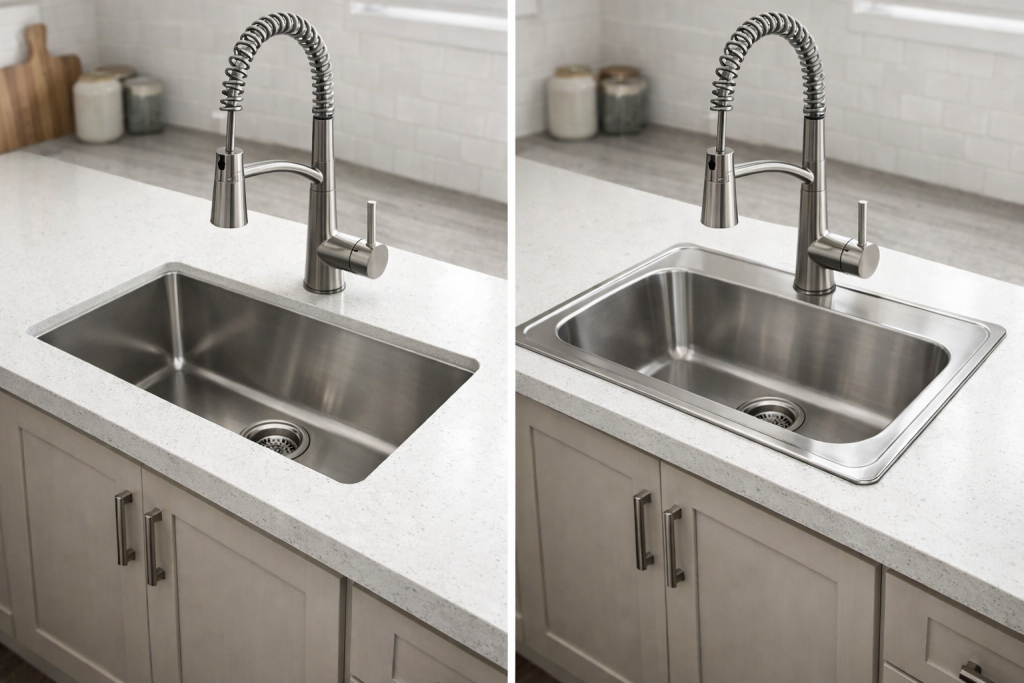

Upgrading your kitchen sink is more than a functional choice. The sink you pick influences daily chores, kitchen style, countertop use, and even long-term satisfaction. Two of the most popular options are undermount sinks and drop-in sinks. Below we break down what each type offers, how they differ, and which might make sense for your home.
Quick Skim Summary: Undermount vs Drop-In Sink
| Category | Undermount Sink | Drop-In Sink |
|---|---|---|
| Look | Sleek, seamless, modern | Traditional, visible rim |
| Cleaning | Easy wipe from counter to sink | Debris can collect along rim |
| Counter Compatibility | Best with quartz, granite, solid surface | Works with most materials including laminate |
| Installation | More complex, usually professional | Simple, often DIY friendly |
| Cost | Typically higher | Typically lower |
| Usable Counter Space | Maximized | Slightly reduced by rim |
| Maintenance | Requires strong seal beneath counter | Easier to reseal or replace |
| Best For | Design focused kitchens | Budget friendly upgrades |
What You Need to Know First
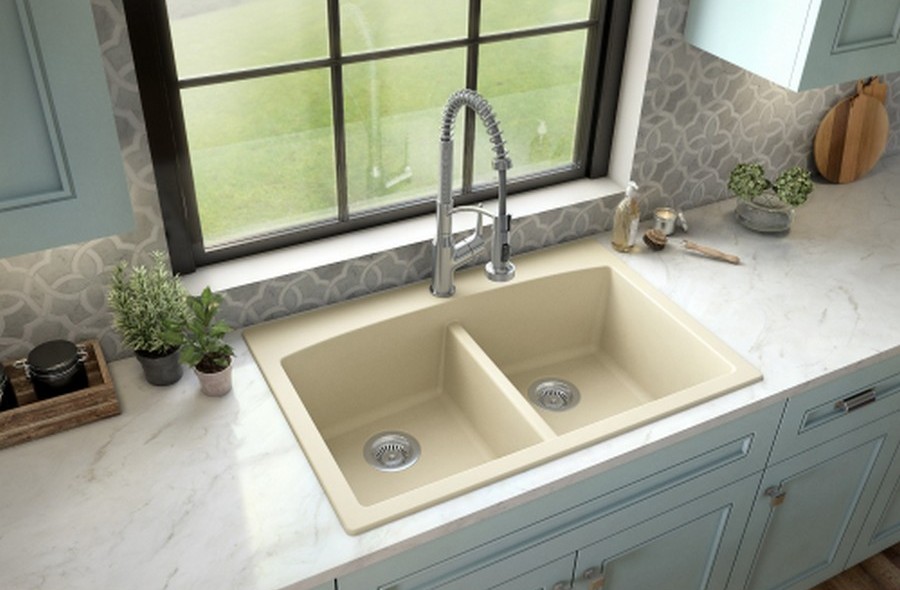
Drop-in sinks, also called top-mount or self-rimming sinks, sit on top of the countertop with a visible rim surrounding the basin. The edge rests on the counter surface and the basin drops into a cutout.
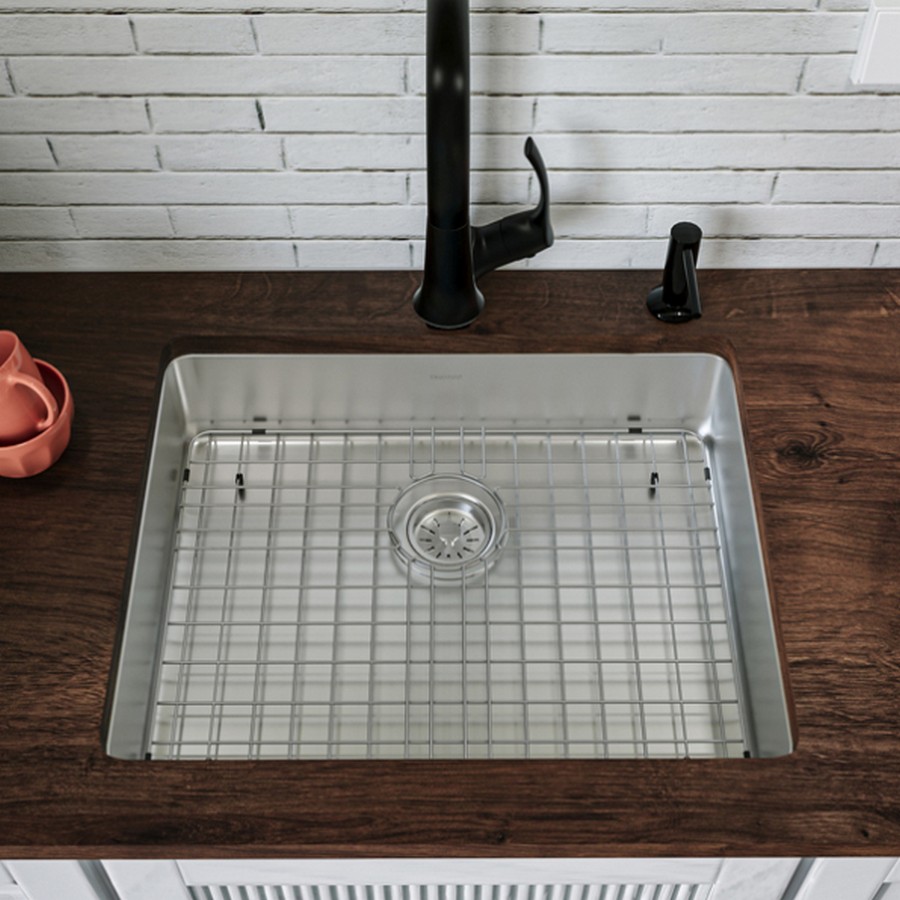
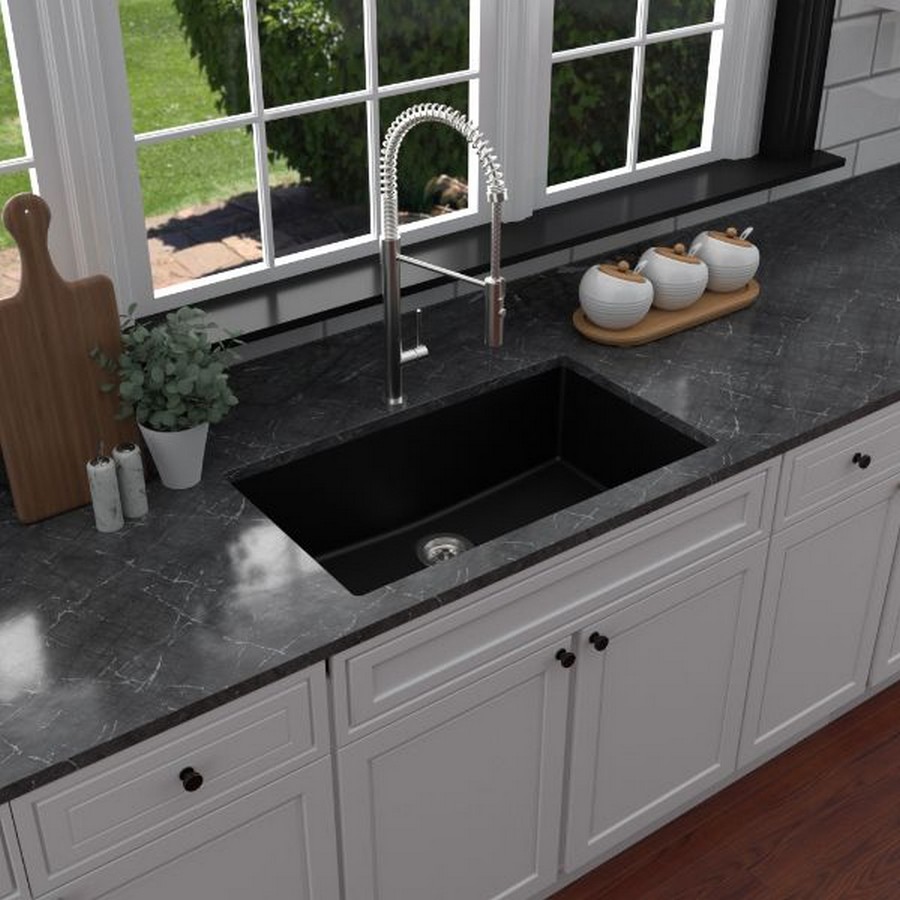
Undermount sinks are installed beneath the countertop, so the countertop edge flows cleanly into the basin with no rim showing. This creates a more seamless look and can change how the kitchen feels overall.
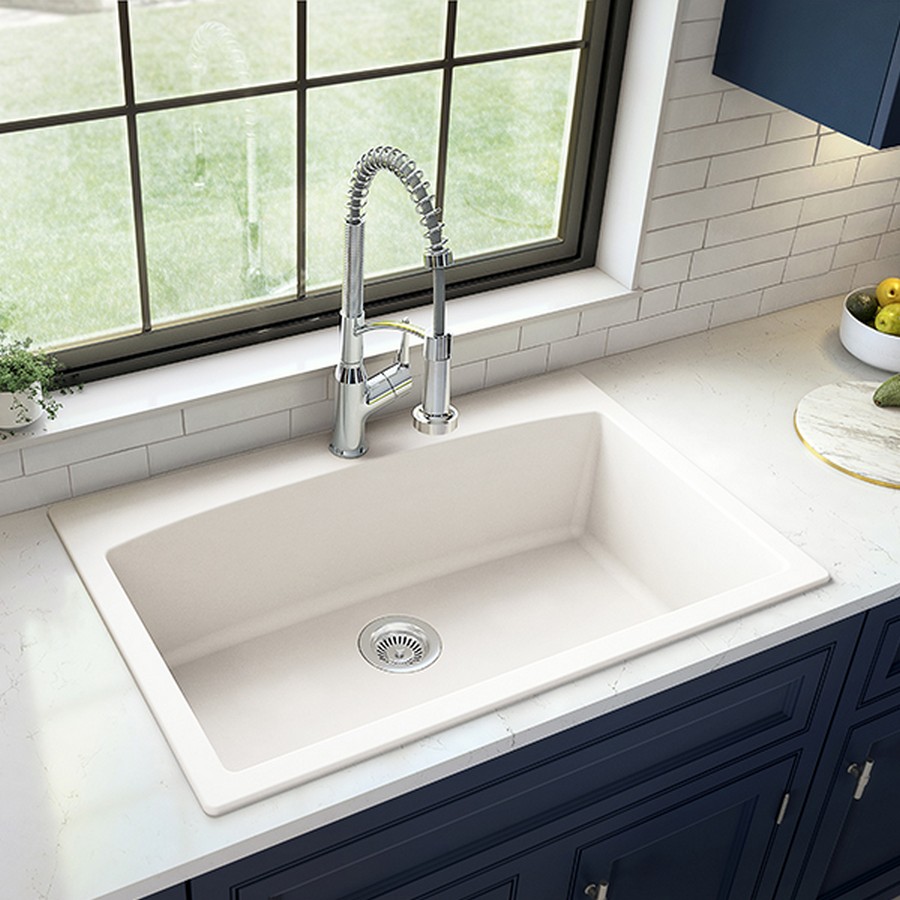
Appearance and Style
Undermount sinks offer a sleek, modern look that makes counters appear continuous and clean. This design is often associated with higher-end kitchens and designer finishes.
Drop-in sinks lean more traditional and versatile. They work with many styles from classic to contemporary, and you can find them in a wide range of materials and finishes.
The takeaway: If you want a minimalist kitchen with fewer visual interruptions, undermount is typically the more stylish choice.
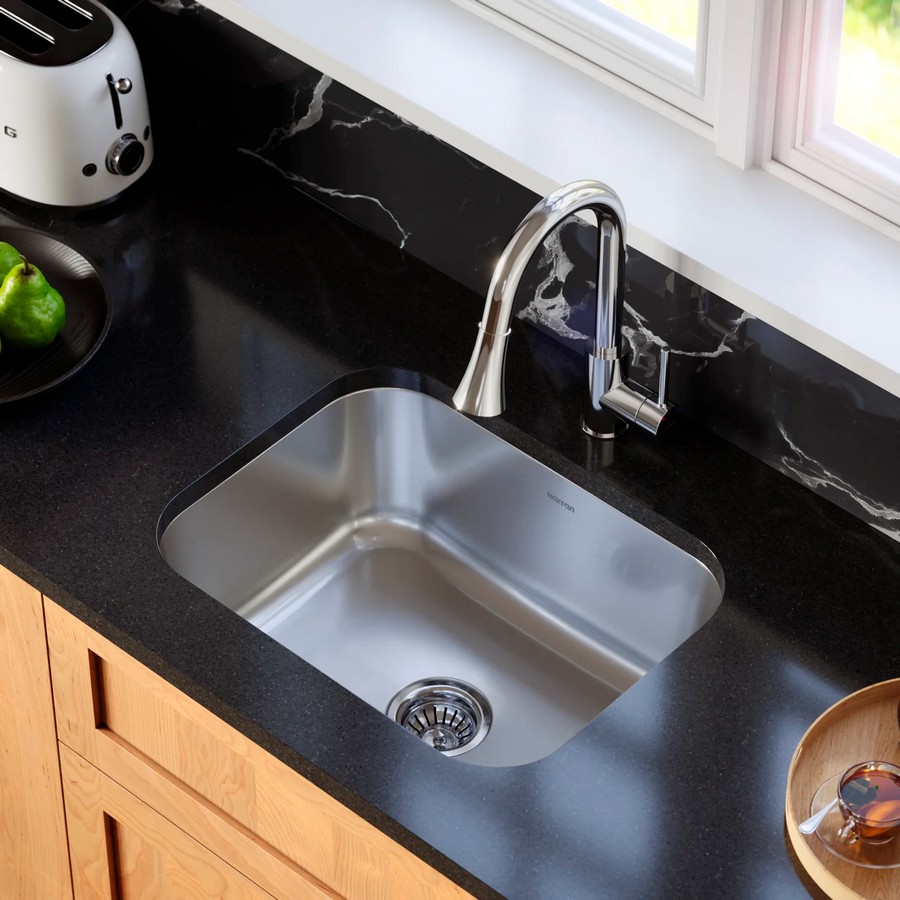
Countertop Compatibility
Undermount sinks pair best with solid surface counters like quartz, granite, and solid stone. These surfaces can support the weight and seal required for an undermount installation.
Drop-in sinks are compatible with virtually any countertop material, including laminate, tile, and wood. That makes them ideal for kitchens where the existing countertop material may be less robust.
The takeaway: Drop-in sinks give you flexibility; undermount sinks are great if you’re planning new stone or solid surfaces.
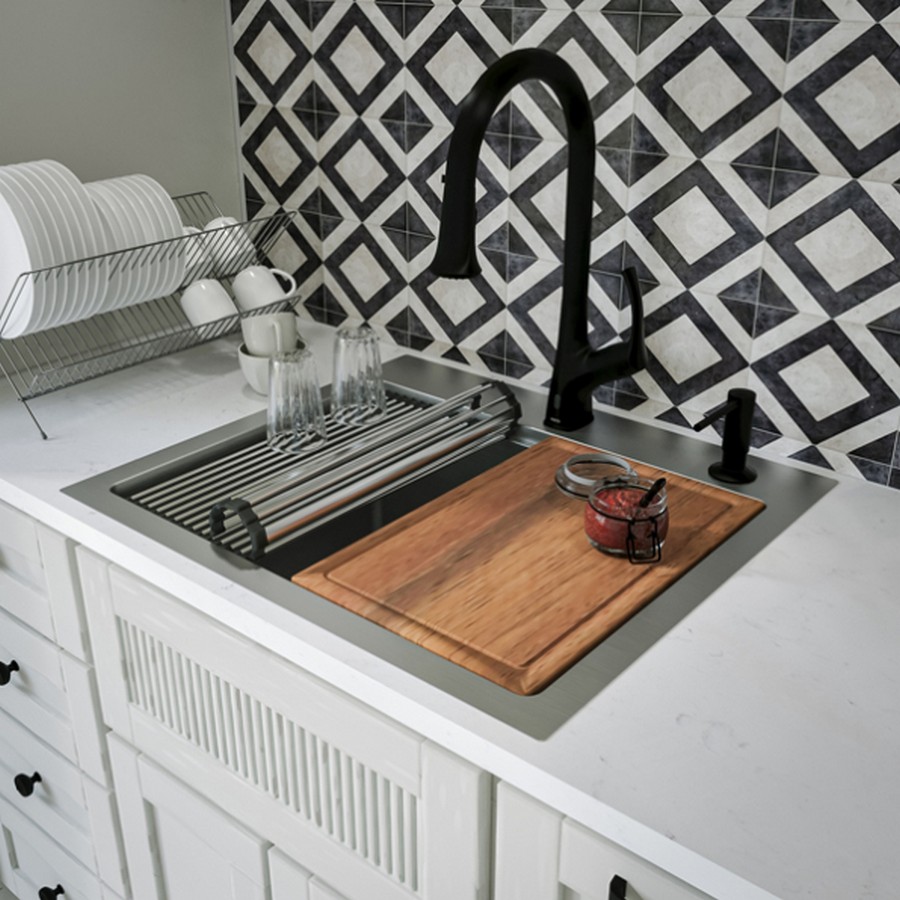
Ease of Cleaning
One of the biggest practical differences comes down to everyday chores:
Drop-in sinks have a visible edge where debris can collect and require more attention to keep clean around the rim.
Undermount sinks allow you to wipe crumbs and spills straight off the counter into the sink without interruption from a rim.
The takeaway: For many homeowners, the seamless transition from counter to sink is a winner for cleanup.
Installation and Cost
Drop-in sinks are easier to install. In many cases a DIY installation or a simple swap during a remodel is all that’s needed, and this simplicity keeps labor costs down.
Undermount sinks require more precision, specialized mounting hardware, and often professional installation. That adds cost both for labor and materials.
The takeaway: If budget and simplicity matter most, drop-in sinks have an edge.
Counter Space
Because undermount sinks sit below the counter surface with no rim taking up room, you effectively gain usable counter space compared to a drop-in with a visible edge.
This difference can matter in kitchens where every inch counts.
Maintenance Considerations
Undermount sinks require good sealing to prevent moisture from getting into countertop materials. Over time sealant may need periodic touch-up.
Drop-in sinks have parts easier to reach if you need to re-seal or replace the sink, which can simplify maintenance.
So Which Should You Choose?
- Go with undermount if you want a modern, seamless aesthetic, smoother cleanup, and your countertop material supports it.
- Choose drop-in if you’re working with a tight budget, doing a quick remodel, or your counters are laminate or tile where undermount isn’t practical.
Both types have a place in great kitchens. The right choice depends on your priorities for style, countertop compatibility, budget, and everyday use.
Final Thought: Undermount vs Drop-In Sink
Updating your sink is a small project with a big impact. Think about how you use your kitchen day-to-day and match the sink to your lifestyle and design goals. Whether you pick undermount or drop-in, a thoughtful choice will make your kitchen more functional and enjoyable.