
Choosing the right closet system can transform how your home functions day to day. Whether you are upgrading a reach-in bedroom closet or designing a walk-in, the biggest decision is often modular versus built-in storage. Each approach solves organization problems in a different way.
Modular systems prioritize flexibility, affordability, and fast installation. Built-in closets focus on precision fit, durability, and a seamless custom look that becomes part of the home itself.
This guide breaks down the differences so you can choose the option that fits your budget, timeline, and long-term plans.
Quick Skim: Modular vs Built-In Closets
| Feature | Modular Closet Systems | Built-In Closet Systems |
|---|---|---|
| Cost | Lower upfront cost | Higher initial investment |
| Installation | Fast, often DIY | Professional, time-intensive |
| Flexibility | Highly adjustable and movable | Permanent and fixed |
| Space Efficiency | Good, may leave gaps | Maximum wall-to-wall use |
| Durability | Moderate | Very high |
| Best For | Renters, starter homes, evolving needs | Long-term homeowners, resale value |
| Customization | Limited to available modules | Fully tailored to space |
| Upgrade Potential | Easy to expand or reconfigure | Difficult to change later |
What Is a Modular Closet System?
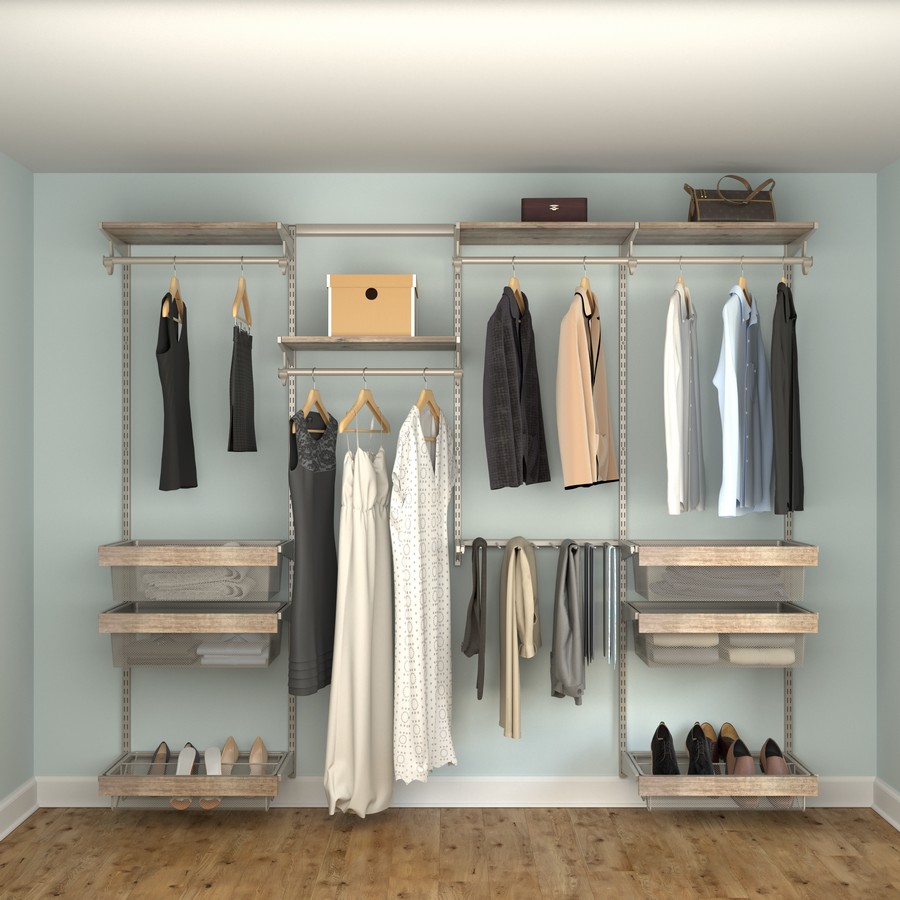
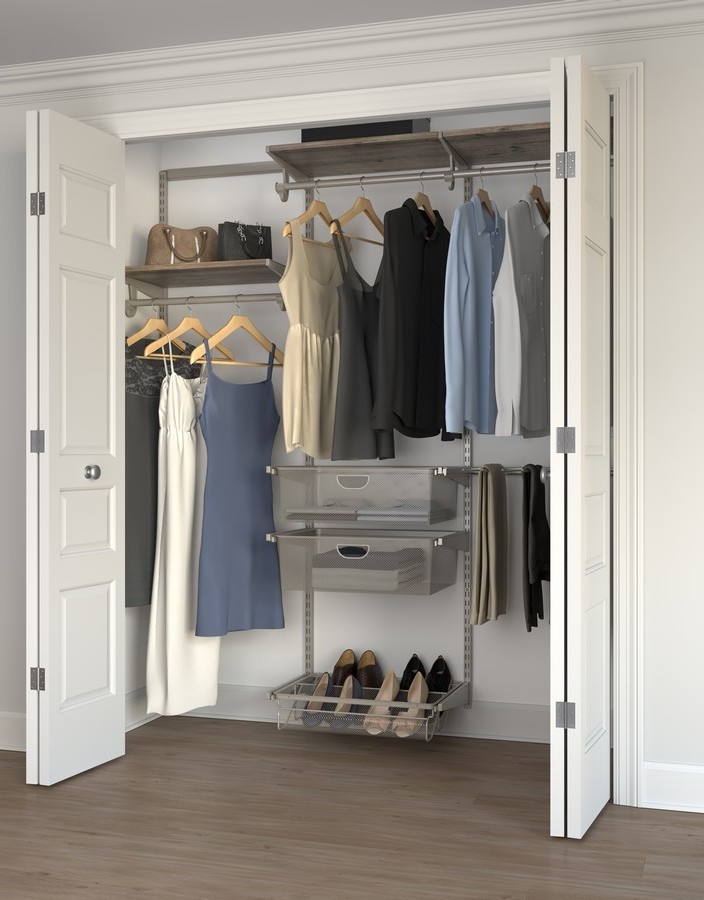
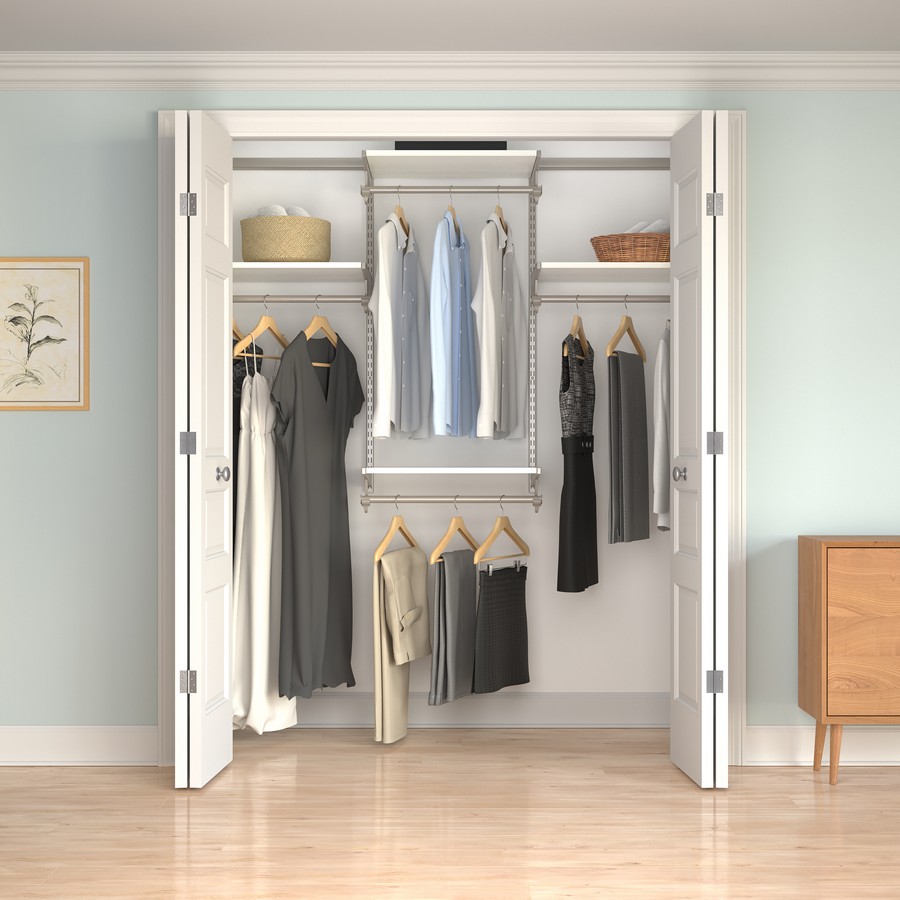
A modular closet uses pre-engineered components that combine to create a storage layout. Think shelves, drawer towers, hanging rods, shoe racks, and accessories that fit together like building blocks.
Most modular systems come in standardized widths and heights, allowing homeowners to mix and match pieces to suit their space.
Key Advantages of Modular Closets
Budget-friendly
Modular systems are typically much less expensive than custom carpentry.
Quick installation
Many can be installed in a single afternoon with basic tools.
DIY-friendly
Homeowners comfortable with assembling furniture can often handle installation without contractors.
Reconfigurable layout
You can rearrange components as your needs change, such as adding more shelves or converting hanging space to drawers.
Expandable over time
Start small and upgrade later without replacing the entire system.
Ideal Use Cases
Modular closets work best when flexibility matters more than permanence.
- Renters who cannot modify walls permanently
- First-time homeowners testing long-term layouts
- Kids’ rooms where storage needs change frequently
- Budget renovations
- Secondary closets and guest rooms
Potential Drawbacks
- May leave unused gaps near walls or ceilings
- Not always optimized for irregular spaces
- Lower perceived luxury compared to custom work
- Can look less integrated with the room
What Is a Built-In Closet System?
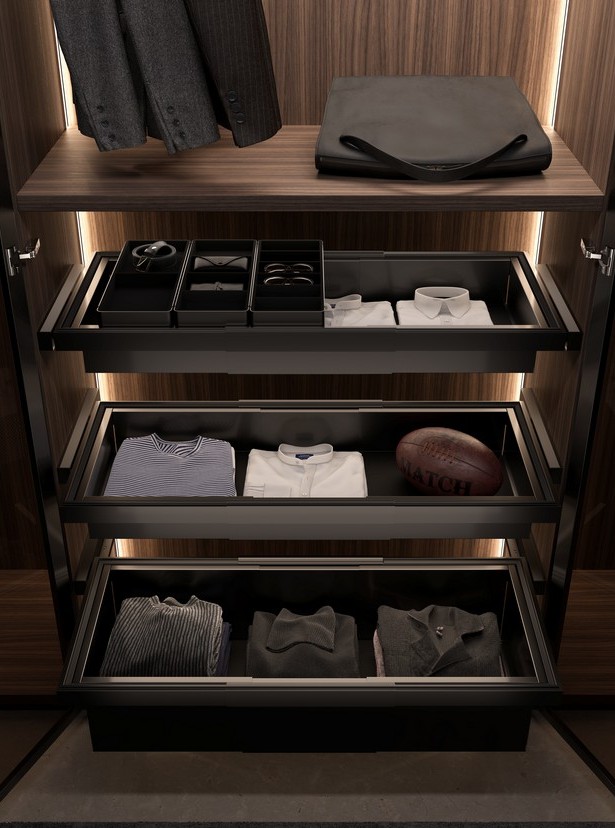
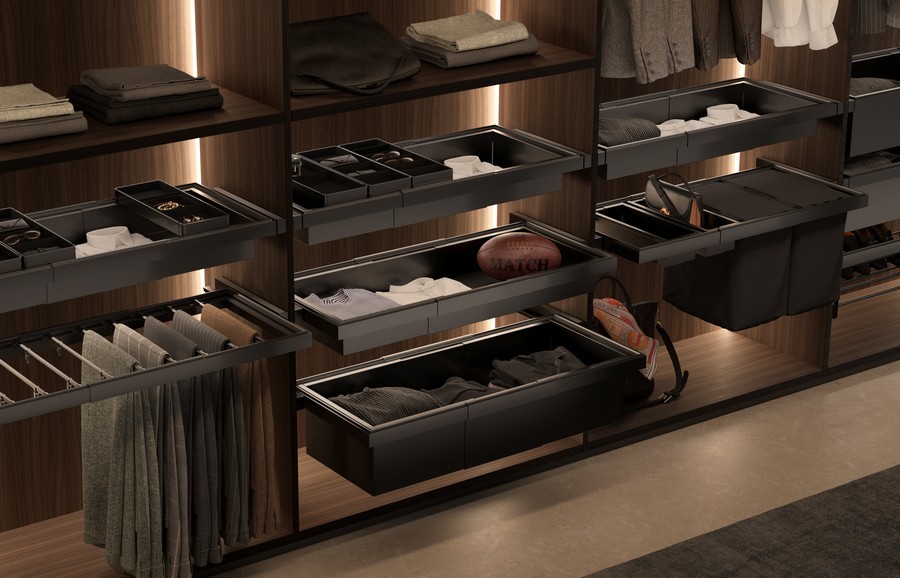
A built-in closet is designed specifically for your space and installed permanently. Components are typically attached directly to walls, floors, or ceilings, creating a seamless look similar to cabinetry.
Built-ins can follow unusual room shapes, sloped ceilings, or wall-to-wall layouts with no wasted space.
Key Advantages of Built-In Closets
Maximum space utilization
Every inch can be used, including awkward corners and vertical height.
Premium appearance
Looks like custom furniture integrated into the home.
High durability
Typically built from stronger materials and installed securely.
Long-term functionality
Designed for your wardrobe and lifestyle rather than generic use.
Adds home value
Custom storage is a desirable feature for buyers.
Ideal Use Cases
Built-ins make sense when you want a permanent solution that elevates the entire room.
- Primary bedroom walk-in closets
- High-end renovations
- Homes where resale value matters
- Small spaces that need maximum efficiency
- Long-term homeowners
Potential Drawbacks
- Higher upfront cost
- Professional installation usually required
- Limited ability to change later
- Longer design and construction timeline
Cost Comparison: Budget vs Investment
For many homeowners, cost is the deciding factor.
Modular systems typically range from a few hundred to a few thousand dollars depending on size and features.
Built-in closets can cost several thousand to tens of thousands, especially with premium materials, custom lighting, and specialty hardware.
However, built-ins should be viewed as a home improvement rather than furniture. They often deliver value through durability and resale appeal.
Installation: DIY vs Professional
Modular closets win decisively for speed and simplicity.
Modular Installation
- Often flat-pack or kit-based
- Requires basic tools
- Minimal disruption to the home
- Can be removed or relocated
Built-In Installation
- Requires measuring, design, and fabrication
- May involve wall modifications
- Installation can take days or weeks
- Permanent once installed
If you want a quick weekend upgrade, modular is the clear choice.
Flexibility and Future Changes
Life changes, wardrobes evolve, and storage needs rarely stay the same forever.
Modular systems adapt easily. You can add drawers, move shelves, or reconfigure sections without major expense.
Built-ins prioritize stability over adaptability. Changing the layout later may require significant renovation.
For growing families or uncertain long-term plans, flexibility is a major advantage.
Durability and Longevity
Built-ins generally last longer because they are designed for permanent use and secured directly to structural surfaces.
Modular systems can still be durable, but they are often engineered for assembly and disassembly rather than decades of heavy use.
High-quality hardware such as soft-close drawer slides, sturdy shelf supports, and strong hanging rods plays a major role in performance for both options.
Space Efficiency: Standard vs Custom Fit
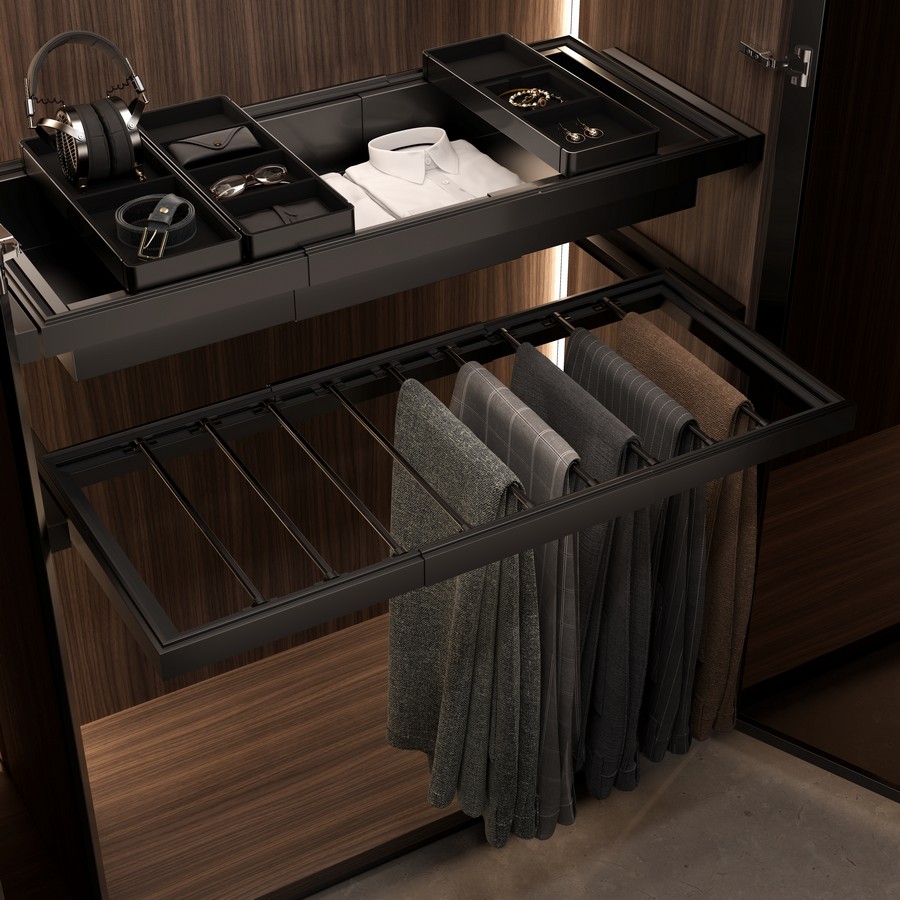
Built-ins shine in tight or irregular spaces.
- Floor-to-ceiling storage eliminates wasted vertical space
- Wall-to-wall installations remove side gaps
- Custom compartments can accommodate specific items
Modular systems work best in rectangular spaces where standardized components fit cleanly.
Which Option Adds More Home Value?
Built-in closets generally increase property appeal more than modular systems.
Buyers often view custom storage as a permanent upgrade similar to kitchen cabinetry.
Modular systems, while functional, are usually considered removable furnishings rather than architectural improvements.
How to Choose the Right Closet System for Your Home
Ask yourself these key questions:
How long will you live in the home?
Short term favors modular. Long term favors built-in.
What is your budget?
Modular offers strong value at lower cost.
Do you need flexibility?
Modular systems adapt as your needs change.
Is maximizing space critical?
Built-ins provide the best efficiency.
Are you upgrading for resale?
Built-ins typically deliver stronger returns.
Hybrid Approach: The Best of Both Worlds
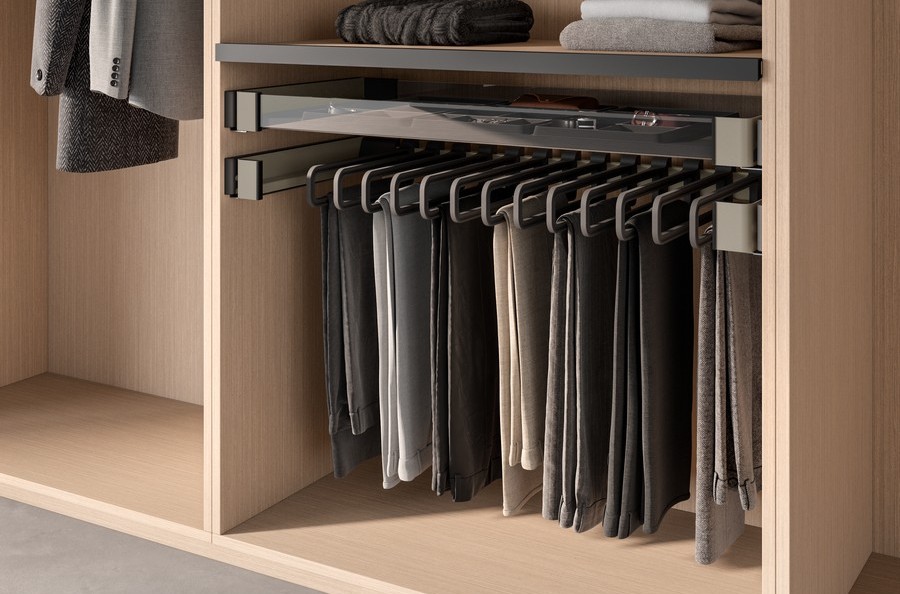
Many homeowners combine both strategies.
For example:
- Built-in structures for primary storage
- Modular accessories for flexibility
- Adjustable shelving within a custom framework
- Add-on organizers for drawers and shelves
Using high-quality interior accessories such as drawer dividers, pull-out baskets, valet rods, and specialty storage can dramatically improve either system.
Final Takeaway: Modular vs Built-In Closet Options
Modular closets deliver fast, affordable organization that can evolve with your life. Built-in closets provide a premium, permanent solution that maximizes space and elevates the entire home.
Choose modular if you want flexibility, lower cost, and quick installation. Choose built-in if you want long-term performance, a custom fit, and added property value.
The best closet system is not necessarily the most expensive one. It is the one that supports your daily routine while fitting your budget and future plans.